Newsletter
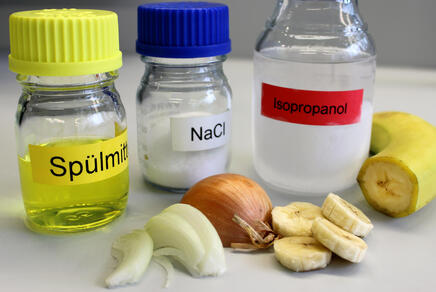
What is DNA and where can it be found? Figure it out and isolate DNA from fruit and vegetables. Explore the genetic code and decipher a secret message!
Mit den Wiener Bildungschancen stellt die Stadt Wien für alle Wiener Allgemeinbildenden Pflichtschulen im Schuljahr 2026/27 wieder Gelder für die Nutzung außerschulischer Angebote zur Verfügung. Auch das Vienna Open Lab ist wieder Teil der Wiener Bildungschancen.
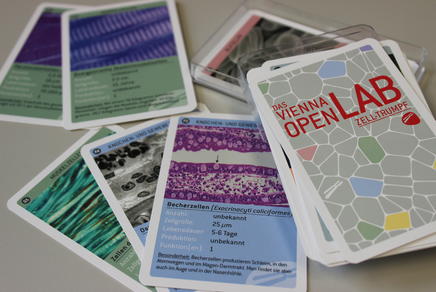
The topic of cells is firmly anchored in the biology curriculum of lower and upper secondary schools. However, human cells are much more complex than the classic animal cell would suggest.
In light of current circumstances, we will be adjusting our cancellation policy and minimum participant requirements beginning with the upcoming winter semester.
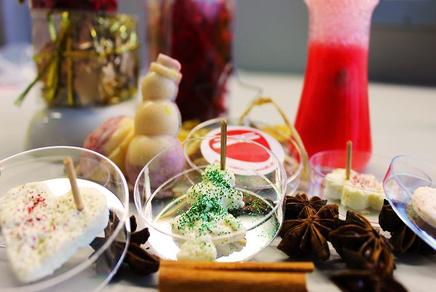
Glitter, sweet smells and a fun change for taking a bath - but how do the colourful bath bombs work? In our christmas special, our visitors explore and can make their own bath bombs.
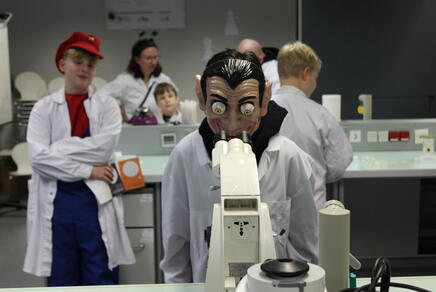
Wenn im Herbst der Nebel durch die dunklen Straßen zieht, zeigt sich auch das Vienna Open Lab einmal von seiner gruseligen Seite und öffnet zum Halloween-Special seine Pforten.
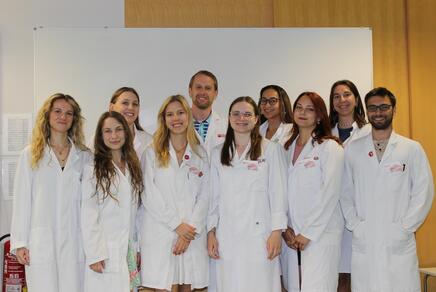
Du studierst Biologie im 6. Semester (oder höher) und möchtest nebenbei geringfügig arbeiten? Wissenschaftliche Inhalte verständlich und mit Begeisterung zu vermitteln, macht dir Freude? Dann bist du bei uns richtig!
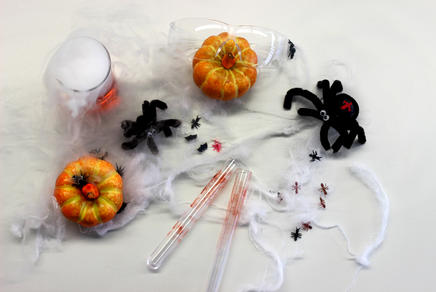
Hier gibt es das Lösungsblatt zur "Spinnen und Insekten Ausstellung" des Halloween-Special 2026
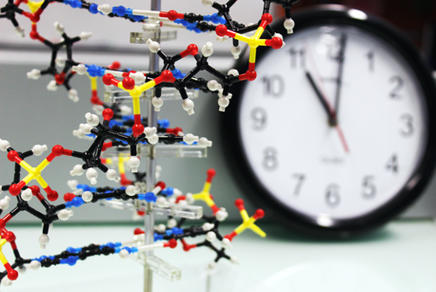
A good night's sleep recovers body and mind - that's why most people spend about a third of their lifetime sleeping. But, exactly how much sleep do you need? What time in the evening will you likely be tired?
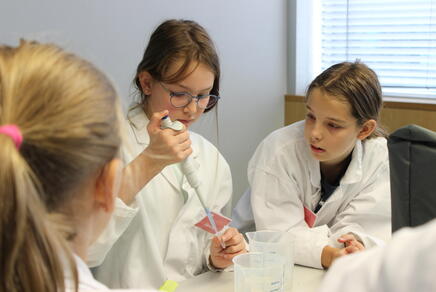
Auch 2026 bieten wir im Sommer wieder unser Ferienprogramm mit Kursen für alle Altersstufen sowie fünftägige Summer Science Camps für 10- bis 17- Jährige an.